Summer ’24 Interlude: Training teachers well from the start, with Lisa Lenhart and Rebecca Tolson
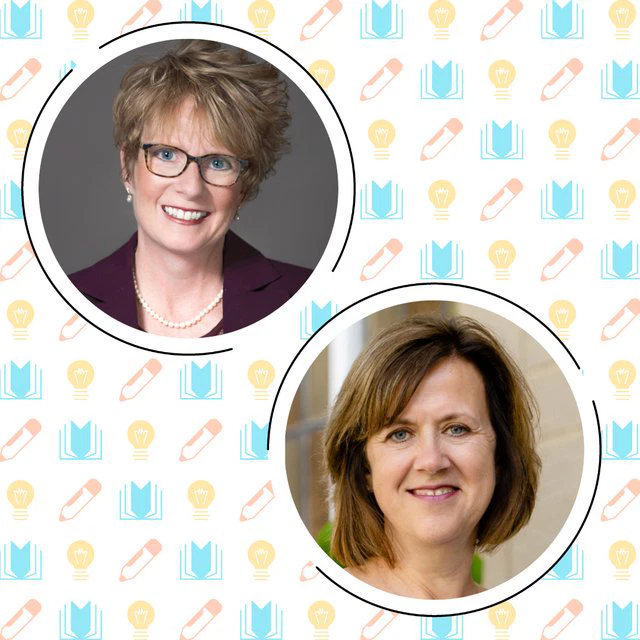
In this Science of Reading: The Podcast episode, Susan Lambert speaks with Rebecca Tolson and Lisa Lenhart about their roles at the University of Akron’s newly established Center for Structured Literacy. They discuss their personal journeys in literacy education, the large grant received from the Ohio Department of Higher Education, and how the Center aims to prepare pre-service teachers using the Science of Reading and structured literacy. Rebecca and Lisa elaborate on the faculty’s training program, curriculum updates, and potential community impact. The conversation also touches on the emotional and professional challenges in shifting to evidence-based practices, the history of literacy legislation in Ohio, and the Center’s long-term goals—including IDA accreditation and expanding their impact on both pre-service and in-service educators.
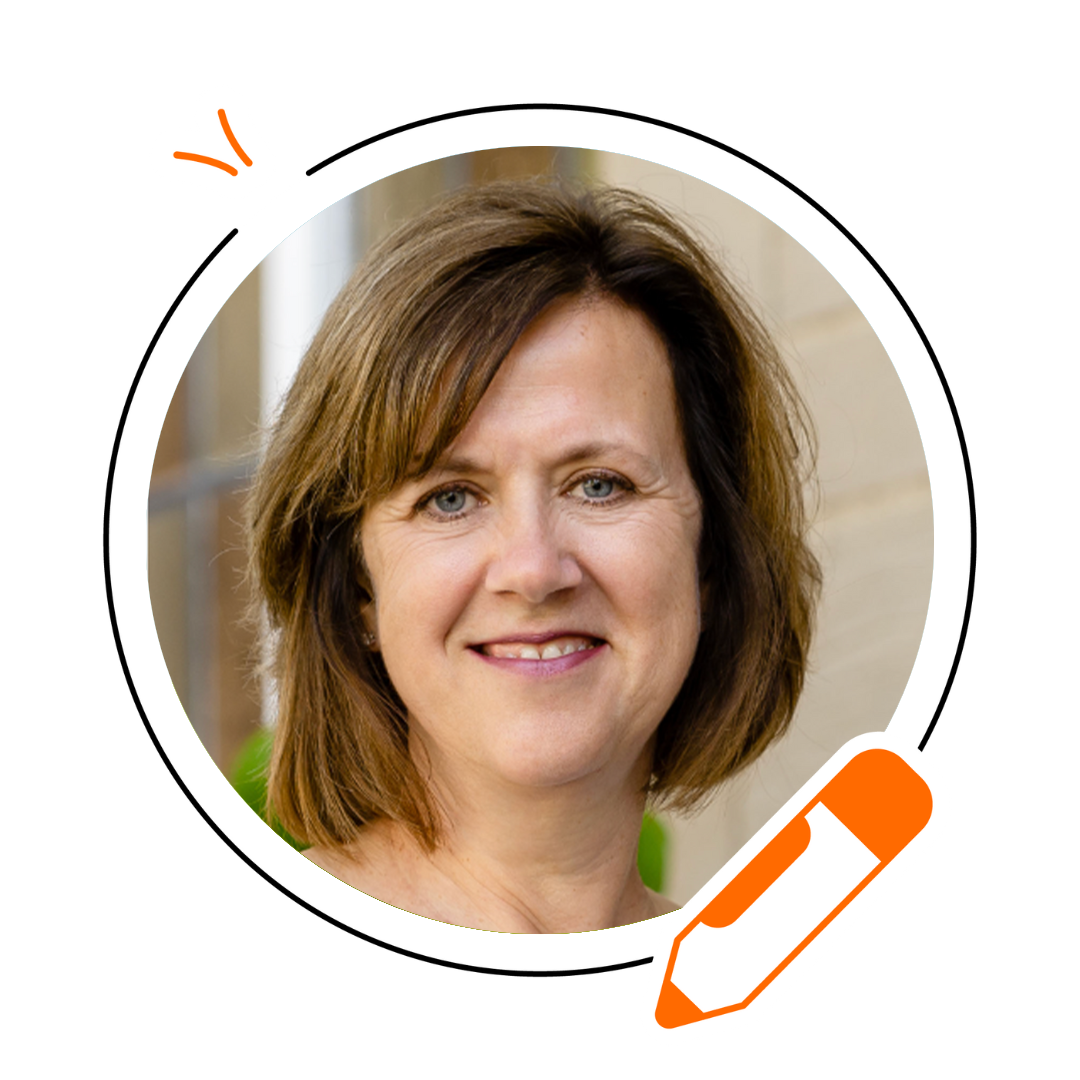
Rebecca Tolson is the director of the Center for Structured Literacy at the University of Akron and a national literacy/dyslexia consultant and speaker. She has a doctorate in Curriculum and Instruction from the University of Akron and is a certified dyslexia therapist and qualified instructor. Rebecca is an experienced educator with over three decades of teaching experience in the classroom and private tutoring using a structured literacy approach to teach students with learning differences. Rebecca served as vice president of Literacy Initiatives at the Neuhaus Education Center, a national non-profit organization specializing in teacher professional development. She co-authored three Ohio laws related to dyslexia and was appointed to the Ohio Dyslexia Committee (ODC) in 2020. Rebecca serves as the current chair of the ODC, overseeing the implementation phase of the Ohio’s Dyslexia Guidebook. Additionally, she is an adjunct professor for Walsh University in the Master of Dyslexia Therapy (MDT) program.
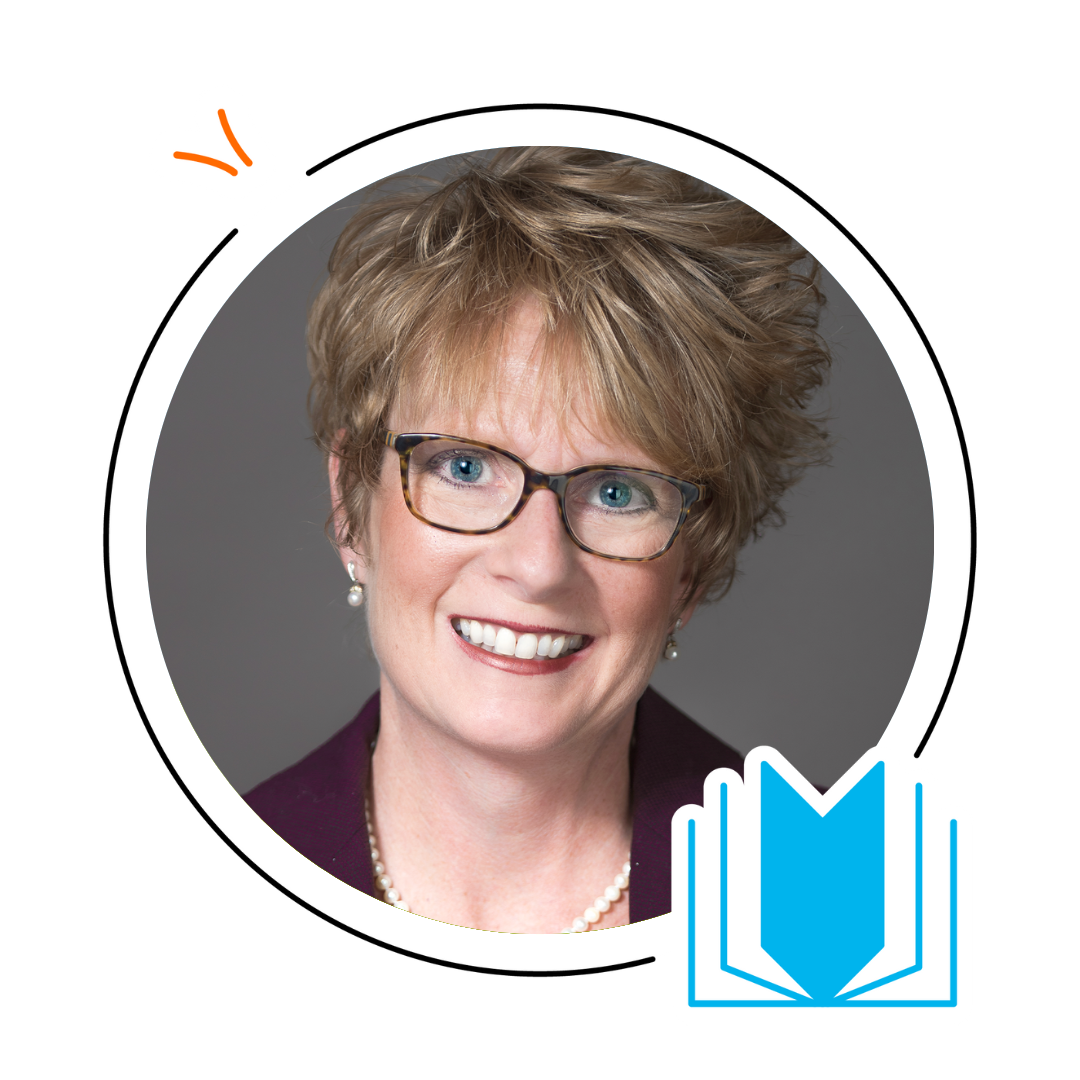
Lisa Lenhart, Ph.D.
Lisa Lenhart holds a Ph.D. in Curriculum and Instruction from Kent State University. She is a distinguished professor and director of the LeBron James Family Foundation School of Education. A recipient of the University of Akron’s Researcher of the Year Award, her research interests include early language and literacy development and teacher professional development. She has published extensively in journals and has co-authored books such as Oral Language and Early Literacy in Preschool; Reading and Learning to Read; and Early Literacy Materials Selector. She has been the recipient and principal investigator (PI) of many federal and state grants, each designed to improve young children’s language and early reading skills through enhanced professional development for teachers.
Meet our host, Susan Lambert
Susan Lambert is the Chief Academic Officer of Elementary Humanities at Amplify, and the host of Science of Reading: The Podcast. Her career has been focused on creating high-quality learning environments using evidence-based practices. Lambert is a mom of four, a grandma of four, a world traveler, and a collector of stories.
As the host of Science of Reading: The Podcast, Lambert explores the increasing body of scientific research around how reading is best taught. As a former classroom teacher, administrator, and curriculum developer, Lambert is dedicated to turning theory into best practices that educators can put right to use in the classroom, and to showcasing national models of reading instruction excellence.
Quotes
“We're also making sure that our students are prepared in structured literacy, not just to one program, so they're able to understand the structure and adopt it to any program any district is using.”
“The Center for Structured Literacy is about empowering teachers at the onset—bachelor's degree. If districts have to retrain them after they graduate, then we're not doing something right.”
“We all have the same goal. We all want children to be good readers. We do. And it has never not been anyone's goal. We have to respect that about each other.”
What does it take to build confident, capable readers? In this session, discover how real-time data and targeted resources can help teachers meet the wide range of literacy needs of students in grades K–8. Hear directly from school leaders who’ve successfully implemented a structured literacy system and learn how they supported teachers, families, and students every step of the way.
Joining our webinar will be Lisa Matthes, director of curriculum at Christian Community Ministries, and Lisa Fenning, literacy project lead advisor at Catholic Education Tasmania. They’ll share their experiences guiding large-scale literacy initiatives, offering insights into how they supported teachers through the transition and built stronger outcomes for students across their schools.
Episode 12: Fostering accessible instruction for all with DeJunne’ Clark Jackson
Join DeJunne’ Clark Jackson, vice president of program development for the Center for Development and Learning, as she underscores how to overcome barriers in the delivery of accessible instruction to students. She also urges listeners to recognize and confront bias both inside and outside of the classroom in order to foster better experiences for educators and students. Finally, she leaves us with an anecdote on diversity, equity, and inclusion and speaks on the connection between the Science of Reading and dyslexia.
Understanding dyslexia and the power of early intervention
What do Albert Einstein, Whoopi Goldberg, and Percy Jackson have in common?
A diagnosis (albeit retroactive or speculative) of dyslexia.
Fortunately, our understanding of the condition has progressed since the days of Einstein—and it’s also more accurate than it’s portrayed in The Olympians. (Percy’s challenges in that beloved series are said to result from his brain being “hard-wired” for ancient Greek, which is…not really a thing.)
So what do we know now? “You can screen early, and you can intervene just as early,” says Emily Lutrick, a preK–5 curriculum and dyslexia coordinator with almost 20 years of experience in education (and a guest on Science of Reading: The Podcast).
Let’s take a look at more of what we know about what dyslexia is (and is not), what students with these challenges struggle with, and the importance—and power—of early intervention.
What is dyslexia?
Dyslexia is a neurological condition that affects the way a person’s brain processes written and spoken language—and thus their ability to read, write, and spell. It shows up as difficulties in accurate and fluent word recognition, spelling, and decoding.
More precisely, people with dyslexia often experience challenges in phonological awareness. They may struggle to break down words into their component sounds and to recognize the relationships between letters and sounds. These difficulties can make reading and writing laborious, and can—understandably—bring down a student’s performance and confidence. It’s a lifelong condition that requires (and responds to) specific research-based interventions.
In the United States, the National Institutes of Health (NIH) estimates that about 15–20% of the population has symptoms indicating a risk of dyslexia or reading difficulty. The condition occurs across different cultures, languages, generations, and socioeconomic backgrounds.
Common misconceptions about dyslexia
Dyslexia is not a result of laziness, poor teaching, or lack of effort (or of being a demi-god).
Dyslexia is not a visual problem that causes readers to mix up letters like “b” and “d.” People with dyslexia struggle to match letters to sounds. (Confusing letters is actually common—lots of kids do it, and then move past it, as they learn to read.)
We don’t have to wait for students to “fail” in order to identify signs of dyslexia. Some clues and signs may emerge even before students start school, such as a delay in learning tasks like tying shoes and telling time, or difficulties with self-expression; following directions; or learning the alphabet, rhymes, or times tables.
Students with dyslexia do not just need more time to learn to read. Dyslexia is not something outgrown. Students who are at risk of developing dyslexia need consistent, high-quality, research-based instruction.
People with dyslexia are slower / not as smart. On the contrary, people with dyslexia are able to think as quickly and creatively as others, and are just as intelligent.
Students with dyslexia need to use different materials than everyone else. Students with dyslexia can actually succeed using the same texts and curricula as their peers!
Students with dyslexia do have the potential to read at grade level when they have access to early intervention, targeted supports, and a flexible curriculum. In fact, a study at the University of Washington showed that only eight weeks of specialized instruction strengthened neural circuitry—and improved reading performance.
Types of dyslexia
Dyslexia is also not a one-size-fits-all condition. Some common types include:
Phonological dyslexia: This type of dyslexia primarily affects a person’s ability to decode words and recognize the sounds associated with letters and letter combinations.
Surface dyslexia: Students with surface dyslexia may struggle with irregular words that do not follow common phonetic rules but be able to read more regular words accurately.
Rapid naming deficit: This type of dyslexia is characterized by difficulty in rapidly naming familiar objects, colors, or symbols.
Double deficit dyslexia: Individuals with double deficit dyslexia exhibit both phonological and rapid naming deficits.
The importance of early intervention
Early intervention is key to helping students with dyslexia reach their full potential. Research has shown that identifying and addressing the condition in the earliest possible stages of education can significantly improve student reading and writing abilities—and so much more.
Early intervention generally focuses on building foundational skills such as phonemic awareness, phonics, decoding, and reading fluency. It might include specialized instruction, assistive technology, and modifications to classroom materials and assessments.
Intervention has an emotional and social impact, too. Dyslexia can bring down a student’s confidence and even keep them on the social sidelines. By identifying and addressing dyslexia early, teachers can provide their students with access to emotional support and opportunities to catch and keep up with their peers, which helps them remain part of the classroom community.
Screening for dyslexia
Before intervention comes identification. That’s why mCLASS® includes built-in dyslexia screening, with reliable tools such as:
Phonological Awareness Assessment: Assesses a student’s ability to recognize and manipulate sounds in words.
Rapid Automatized Naming (RAN) Test: Evaluates how quickly a student can name.
And before all that, it’s important that teachers be the first eyes and ears. They may ask caregivers about any family history of reading difficulties, as the condition often has a genetic component. Lutrick watches for students who might be struggling to read fluently or think meta-cognitively about text. ”You know that they’ve got the ability but something is just blocking them,” she says.
One diagnostic tack she takes: Asking them to try to decode nonsense words. “For a child who is struggling and at risk of reading difficulty, every word may be a nonsense word,” she says. “Do they have the skills necessary to break it down? If not, I would like to try to help them fill those gaps as quickly as I can.” (mCLASS also includes a Nonsense Word Fluency assessment.)
And it’s possible to intervene even before that, as podcast host Susan Lambert notes: “If we are not already doing systematic and explicit phonics in kindergarten and first grade, there is a possibility that we wouldn’t identify those kids.”
Lutrick also points out that dyslexia can be disguised in many different ways. “Look at every student and see if there is something behind the mask,” she says. “We need to task ourselves to really look at every individual student as if each one of them is critically important, which we all believe, or we wouldn’t be in this profession.”
Looking to speak directly with an Amplify Science California representative? Get in touch with a California team member to learn more about reviewing and using the program.
Feeling crunched for lesson-planning time? You’re not imagining it. A recent EdSurge report found that teachers get, on average, just 266 minutes of dedicated planning time a week—under an hour a day. And that’s before the meetings, paperwork, and “Got a minute?” queries start rolling in.
When teachers have so little space to craft high-quality interactive lessons, any tool that streamlines planning or teaching can make a huge difference.
Enter Amplify Classroom (formerly Desmos Classroom), launched for the 2025–26 school year and available for free! Already used by more than 300,000 teachers, this all-in-one platform brings together free resources for K–12 students; teacher guides and real-time teaching tools; and interactive lessons across math, literacy, and science—helping educators focus less on logistics and lesson plans and more on student engagement.
Interactive lessons that stick
Amplify Classroom’s free teaching resources go far beyond static worksheets or “entertaining” electronics. The platform’s library of more than 1,000 lessons features a wide range of free K–12 resources, including K–5 activities, middle school science explorations, and high school math challenges. Highlights include:
A grade 1 math activity called Leaping Lily Pads!, in which students help a purple frog hop toward a golden crown while making connections between subtracting 1 and subtracting 2—and practicing subtracting 2 and adding 2.
A grade 4 science activity called Food Chains, in which students create their own sequences of organisms, then line up those organisms to model how energy flows through an ecosystem, tracing that energy from start to finish.
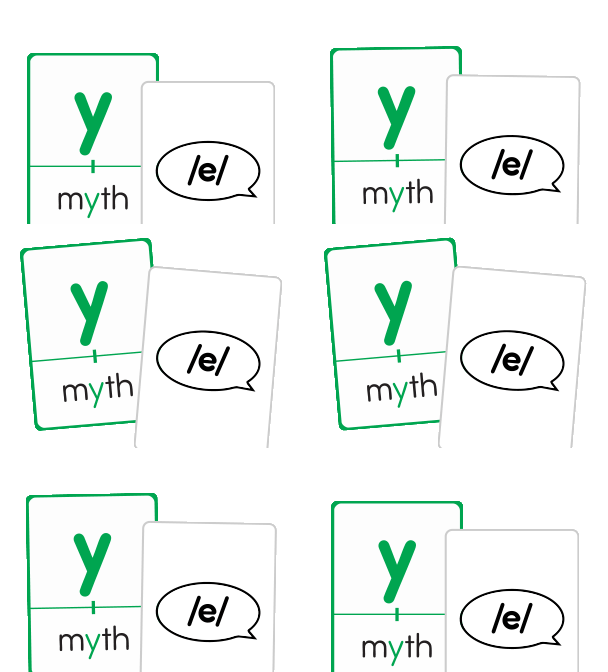
Literacy practice that explores how the letter “y” sounds in words like myth.
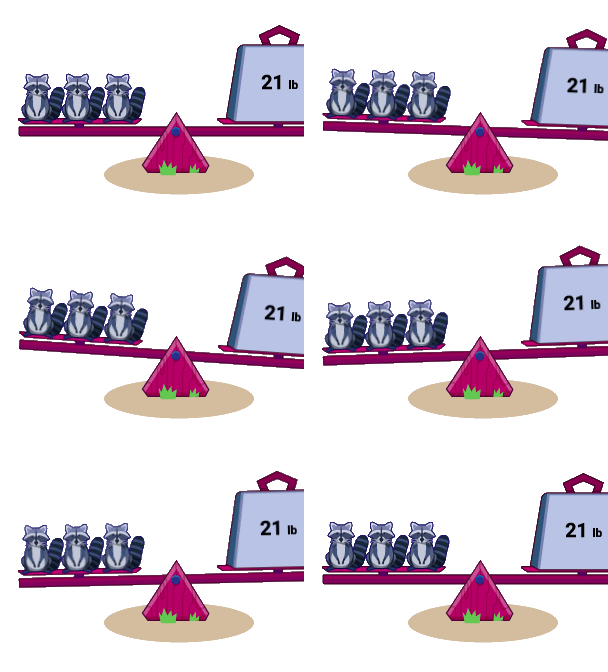
Classic Desmos math challenges, like balancing raccoons on a seesaw against a 21-pound weight.
Hands-on Polypad manipulatives that let students experiment with tangrams, grids, and colorful geometric shapes.
These types of activities are not just engaging in the moment. They can also set the stage for lifelong math enjoyment. “I’ve been wary about making my kids not hate math,” says kindergarten teacher Martin Joyce. “No ‘drill-n-kill.’ [Now] they’re asking if they can do math on the computer before bed!”
What you can do with these free resources
Once you create a free teacher account, you can:
Teach more than 1,000 free interactive lessons across math, literacy, and science.
Customize any premade lesson or build your own with the drag-and-drop editor.
Monitor student thinking in real time with intuitive dashboards.
Share snapshots of student work—names optional—to prompt discussion and highlight ideas.
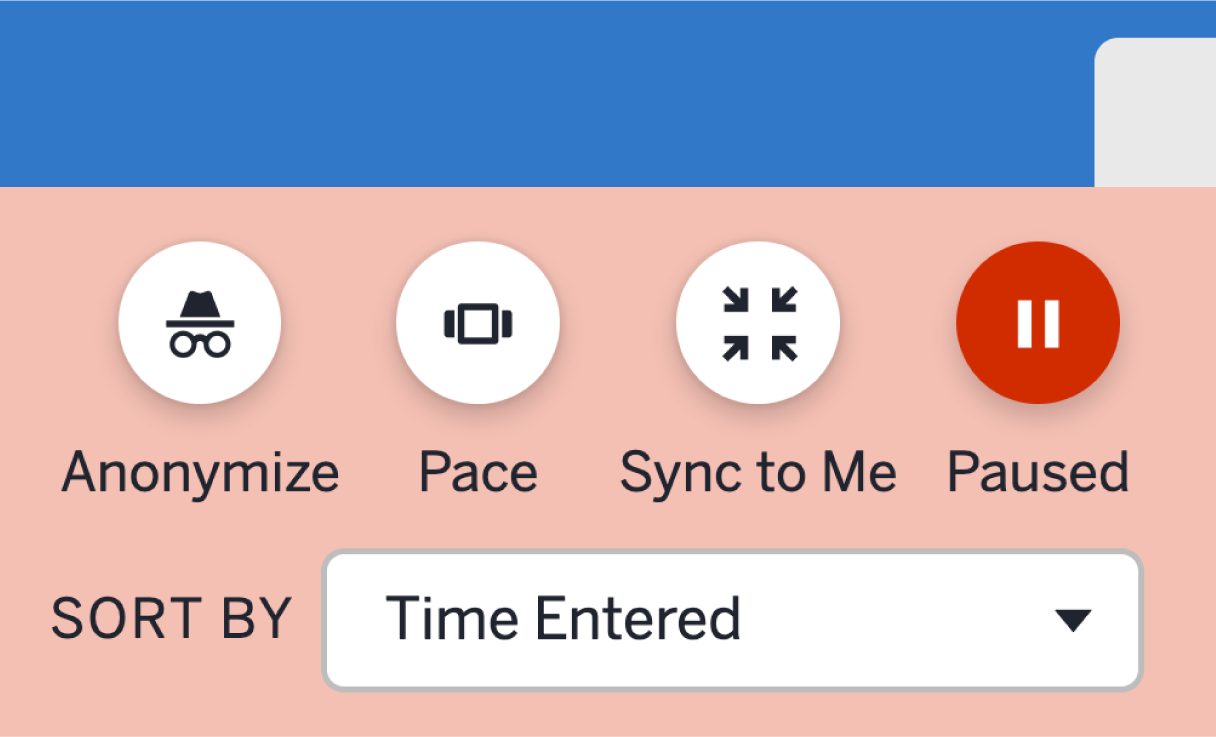
Control the pacing of lessons, pausing to dive deeper into a concept or syncing everyone to the same spot.
Here’s how it works in practice:
Find a lesson. Browse by subject, grade level, or topic until you land on one that fits your plan for the day.
Share it with your class. Assign the activity so students can join from their own devices.
Teach and adapt in the moment. Use the dashboard to see student thinking in real time, highlight responses, and pace the lesson as you go.
Grade 5 teacher Traci Jackson saw how these K–5 activities boosted collaboration and learning in her class: “After an audible groan when the activity was paused, students made sense of ordered pairs through a purposeful Amplify Classroom experience. One student pair wrote without any prompting!”
More than 300,000 teachers turn to Amplify Classroom for captivating lessons and virtual manipulatives.
Grade 1 Math
Leaping Lily Pads
Grade 6 Science
Behaviors and Structures Support Survival
Kindergarten Literacy
The Boy and the Violin
Grades K–12
Polypad manipulatives
Algebra 1
Shelley the Snail
Get your classroom buzzing with our powerful teaching tools.
Tailor lessons to fit your needs.
Easily customize premade lessons or create your own with our drag-and-drop lesson builder.
Share and celebrate student ideas.
Take snapshots of classwork to foster discussion and highlight student thinking.
Gain insights into student thinking.
Monitor your students’ ideas in real time so you can adapt instruction on the fly.
Control the flow of instruction.
Pace students to specific parts of the lesson, or pause to explore concepts more deeply.
What are people saying?
Martin Joyce
@martinsean
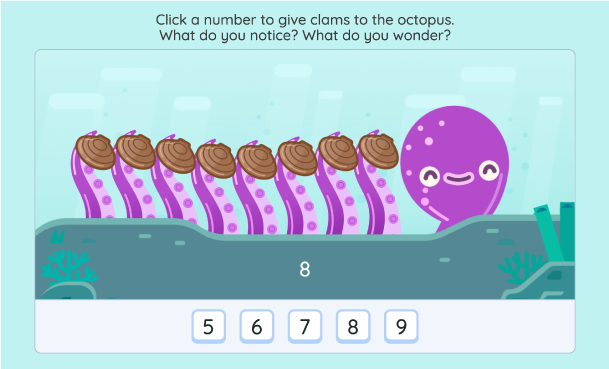
Love this #AmplifyClassroom kindergarten activity! First the octopus checks sums of 8 then the sea urchin comes out. Great job. I’ve been wary about making my kids not hate math (no drill n kill) and they’re asking can we do math on the computer before bed. Yes! Cc @ddmeyer
Traci Jackson
@traciteacher
After an audible groan b/c the activity was paused, Ss made sense of ordered pairs through a purposeful #AmplifyClassroom experience! This S pair wrote without any prompting. Great collaboration and learning in 5th grade today!
Mark Labuda
@mrmlabuda
Hands down the best virtual manipulatives I’ve ever come across.
Join our community
More than 30,000 educators share advice, lessons, wins, and more in our Amplify Classroom Educators Group. Be a part of the conversation!
Amplify Classroom (formerly Desmos Classroom) is a free K–12 teaching platform that gives educators access to a library of high-quality, interactive lessons in math, literacy, and science. The platform is built with tools that promote student engagement and collaboration, while giving teachers real-time visibility into student thinking.
Amplify Classroom supports K–12 educators across math, science, and literacy. The platform offers more than 1,000 free interactive lessons, with content designed to build deeper understanding and student engagement at every grade level.
No. Teachers can create a free Amplify Classroom account and immediately access teaching tools and hundreds of lessons without a district license or subscription. Paid programs such as Amplify Desmos Math and Amplify Core Knowledge Language Arts (CKLA) also run on Amplify Classroom, and you can access that content through the same platform if your school or district subscribes to these programs.
Some schools and districts require that specific URLs be added to their allowlist before teachers can access Amplify Classroom. A full list of permitted domains can be found at amplify.com/allowlist. Teachers should share this information with their school or district IT team.
Amplify Classroom offers built-in tools that promote real-time teacher visibility and student engagement. Key features include:
Real-time student insights: See student responses and thinking as they happen, all in one easy-to-use teacher dashboard.
Teacher pacing controls: Pause a lesson or advance all student screens simultaneously.
Select and sequence student work: Highlight student ideas live by selecting and sharing student work during a discussion.
Anonymous student sharing: Display student work to the class without showing students’ real names.
Lesson customization: Copy and edit pre-built K–12 lessons or build your own from scratch using our drag-and-drop lesson builder.
Class management tools: Create and manage multiple classes, add co-teachers, and organize rosters.
Yes. Teachers can customize our K–12 lessons or even create lessons from scratch to meet their students’ unique needs. This includes adding things like pre-made screens, images, multiple-choice questions, graphs, and more with our drag-and-drop lesson builder.
Yes. Many teachers use Amplify Classroom to supplement their existing curriculum. The platform can be integrated into any part of a teacher’s day, with a wide library of lessons and tools for core or supplemental instruction.
For schools seeking a full core curriculum, Amplify also offers paid programs including Amplify Desmos Math and Amplify CKLA, both fully integrated into the platform.
Yes. Amplify Classroom supports signing in with Google. Teachers can import class rosters directly from Google Classroom to streamline setup. For Amplify customers, Clever integration is available for school and district rostering. You can learn more about our integrations here.
Amplify Classroom is built to facilitate compliance with applicable student data privacy laws, including FERPA, COPPA and other applicable laws related to the collection and use of student data. To provide Amplify Classroom to students, Amplify receives Student Data as a “school official” in accordance with Section 99.31 of FERPA and COPPA guidance, and operates at the direction of the school. You can read more about this in our Acceptable Use Policy and Customer Privacy Policy.
Screen and intervene faster with mCLASS DIBELS 8th Edition: California SB 114 Approved
California educators, Amplify’s mCLASS Assessment Suite is one of three approved screeners in California for Reading Difficulties at K–2.
mCLASS® DIBELS® 8th Edition is an all-in-one system for Science of Reading-based reading difficulties screening, progress monitoring, and instruction for grades K-6. Amplify’s Spanish language assessment, mCLASS Lectura, works in tandem with DIBELS 8th Edition’s English assessments to help teachers understand where their Spanish-speaking students are in their English and Spanish literacy paths.
About the program
mCLASS offers teacher-administered assessment, intervention, and personalized instruction for grades K–6. Know exactly how to monitor and support every student in your classroom, with features like:
Precise one-minute measures based on over three decades of predictive data.
Reading difficulties screening in one tool.
Instruction that highlights observed patterns and recommends activities.
Robust reports for teachers, specialists, administrators, and parents.
The right measures at the right time
With mCLASS DIBELS 8th Edition, you’ll assess students based on grade-specific curriculum and instructional standards, in accordance with SB 114 guidelines.
mCLASS DIBELS 8th Edition offers one-minute, easy-to-administer measures of processing speed, phonological awareness, alphabetic principle, and word reading.
DIBELS® 8th Edition subtest alignment with SB 114
Screening Area
mCLASS DIBELS 8th Edition Measure
Grade K
Grade 1
Grade 2
Grade 3
Grade 4–6
Rapid naming ability
Letter Naming Fluency (LNF)
Phonological awareness
Phoneme Segmentation Fluency (PSF)
Alphabetic principle
Nonsense Word Fluency (NWF)
Word reading
Word Reading Fluency (WRF)
Word reading
Oral Reading Fluency (ORF)
Comprehension
Maze
Validated as a universal screener
Strong reliability and validity evidence shows that DIBELS 8th Edition can effectively assess students in key skills linked reading difficulty. The research supporting DIBELS 8th Edition, conducted by the University of Oregon, is rigorous, meets high technical standards, and empowers educators to make well-informed decisions.
mCLASS DIBELS 8th Edition provides rich data that helps you make informed instructional decisions and seek out further dyslexia screening evaluation if needed:
Assess skills: mCLASS DIBELS 8th Edition and additional measures in Rapid Automatized Naming (RAN), Spelling, Vocabulary, and Oral Language accurately assess students’ abilities.
Identify risk: The DIBELS 8 composite score shows each student’s risk level, with ‘Well Below Benchmark’ indicating a need for intensive support. Students who are also ‘Well Below Benchmark’ in RAN and/or Spelling have an additional Risk Indicator icon next to their name.
Provide instruction: The mCLASS Instruction feature analyzes student error patterns to key dyslexia-related subtests, then recommends small groups and explicit, multi-sensory activities for reinforcing skills.
Progress monitor: mCLASS includes progress-monitoring measures to track student growth in letter sounds, alphabetic principle, word reading, oral reading fluency, and comprehension, so that informed instructional decisions can be made.
Adapt instruction: mCLASS displays indicators based on progress monitoring performance that indicate when a change in instruction may be needed. It also updates instruction recommendations using the latest data.
In addition to identifying students with symptoms of dyslexia, mCLASS DIBELS 8th Edition data recommends early intervention, personalized instruction, and core instruction within Amplify’s early literacy suite. Based on the Science of Reading, Amplify’s early literacy suite programs follow an explicit and systematic structure, build knowledge, and instruct on all of the foundational skills essential to literacy development.
By assessing with mCLASS DIBELS 8th Edition and its Spanish counterpart, mCLASS Lectura, you’ll know with confidence whether a student truly shows signs of reading difficulties or is experiencing difficulties learning a new language.
When used together, mCLASS DIBELS 8th Edition and mCLASS Lectura feature a Dual Language Report that analyzes screening results in both languages. The report also details how each student can leverage their strengths from one language to support growth in the other.
Equal skill coverage in English and Spanish
Screening areas
English measure
Spanish measure
Description*
Letter Naming and RAN
Letter Naming Fluency (LNF)
Fluidez en nombrar letras (FNL)
Grades K–1: Naming letters in print. 1 minute, 1:1 administration.
Phonological Awareness (Segmentation)
Phonemic Segmentation Fluency (PSF)
Fluidez en la segmentación de sílabas (FSF) & Fluidez en la segmentación de fonemas (FSF)
Grades K–1: Hearing and using sounds or syllables in spoken words. 1 minute, 1:1 administration.
Phonological awareness (Elision)
¿Qué queda? (QQ)
Grades K–2: Produce the part of a word that remains after deleting a syllable or phoneme. 1 minute, 1:1 administration.
Letter-Sound Knowledge
Nonsense Word Fluency Correct Letter Sounds (NWF-CLS)
Fluidez en los sonidos de letras (FSL)
English: Grades K–3: Identify letter-sound correspondences in the context of pseudo-words. Spanish: Grades K-1: Identify letter-sounds in isolation. 1 minute, 1:1 administration.
Letter-Sound Knowledge (Receptive)
Fluidez en los sonidos de las letras K-Inicio (FSL K-Inicio)
Grade K: Identify (point to) which letter makes a certain sound. Untimed, 1:1 administration
Decoding
Nonsense Word Fluency Words Recoded Correctly (NWF-WRC)
Grades K–3: Reading common words easily, quickly and correctly.1 minute, 1:1 administration.
Fluency
Oral Reading Fluency (ORF)
Fluidez en la lectura oral (FLO)
Grades 1–6: Reading connected text with accuracy and automaticity. 1 minute, 1:1 administration.
Reading Comprehension
Maze
¿Cuál palabra? (CP)
Grades 2–6: Understanding meaning from texts. 3 minutes, group administration.
Vocabulary
Vocabulary
Vocabulario
Grades K–3: Knowledge of grade-specific words. 15 minutes, group administration.
Encoding
Spelling
Ortografía
Grades K–3: Arranging letters correctly to spell words with grade appropriate features 15 minutes, group administration.
RAN (Numbers)
Rapid Automatized Naming
–
Grades K–3: Correctly and quickly naming visual symbols, such as numbers. 3-4 minutes, 1:1 administration.
Language Comprehension
Oral Language
Lenguaje oral
Grades K–2: Demonstrate the ability to use words and phrases acquired through conversations, reading and being read to, and responding to texts. 5 minutes, 1:1 administration.
*Students can be assessed using off-grade measures when information on specific skills is needed.
Dyslexia resources for families
Families play a crucial role in helping children overcome reading challenges. mCLASS DIBELS 8th Edition and mCLASS Lectura provide a Home Connect letter after each screening to explain the results in family-friendly language, recommend activities, and direct families to a free website for additional at-home support.
Developmentally appropriate
Computer-based assessments that require students to complete tasks silently or independently may over-identify students for intervention services, especially young learners who are still developing focus and attention abilities.
mCLASS requires students to actively demonstrate their proficiency in producing letter sounds, forming words, and reading texts. This approach to assessment aligns with the California Reading Difficulties Risk Screener Selection Panel (RDRSSP) guidelines for effective screening of reading challenges. By choosing mCLASS for reading difficulties screening, you’ll gain accurate information about a student’s risk for dyslexia, and gain the capability to monitor every student’s path to reading proficiency.
Please watch the navigation videofor a short overview of the mClass platform, and reach out to your Amplify Account Executive (contact information below) for demo access credentials.
Questions?
Looking to speak directly with your local representative? Get in touch with a California team member to learn more about our early literacy suite or request a demo account.
CENTRAL VALLEY and CENTRAL COAST Demitri Gonos Senior Account Executive (559) 355-3244 dgonos@amplify.com
VENTURA and L.A. COUNTY Jeff Sorenson Associate Account Executive (310) 902-1407 jsorenson@amplify.com
ORANGE and L.A. COUNTY Lauren Sherman Senior Account Executive (949) 397-5766 lsherman@amplify.com
SAN BERNARDINO and L.A. COUNTY Michael Gruber Senior Account Executive (951) 520-6542 migruber@amplify.com
RIVERSIDE and L.A. COUNTY Erin King Sales Director, CA (512) 673-8526 eking@amplify.com
SAN DIEGO COUNTY Kirk Van Wagoner Senior Account Executive (760) 696-0709 kvanwagoner@amplify.com
BUTTE, DEL NORTE, HUMBOLDT, and SHASTA COUNTY
DISTRICTS UNDER 2250 ENROLLMENT
Kevin Mauser
Lead Account Executive
(815) 534-0148
kmauser@amplify.com
¡Bienvenidos a Amplify Caminos Lectoescritura!
Caminos Skills Microsite
Putting equity first
When so much about the world needs to shift, so urgently… here are a few places to start.
Listen: Educator, author, and leader Shawn Joseph shares his passion for social justice and discusses his work advocating for equity in education, shedding light on what he calls the “silent crisis” in literacy instruction.
Learn: Share Shawn Joseph’s discussion guide with your colleagues. Which insights are the most relevant to your district this year?
Lead: Take a look at this curated collection of multicultural and social justice books. Could one spark discussion for your students?
Lead: Share this infographic on the journey to freedom with your class. Ask students to select an event to research and present a two-minute video talk.
Leveraging the science of reading
Go deep on the insights and practices that will help our classrooms (remote or otherwise)–based on the latest science, and adaptable to every shift in the educational landscape.
Learn: Susan Lambert talks to Language Magazine about the science of reading and what it means right now.
Building strong foundational skills
Strong, systematic sound-first instruction is critical to helping students learn to decode and can increase student success. Learn how specific skills can increase your impact.
Learn: Start with Emily Hanford’s “Hard Words” article.
Listen: Jasmine Lane on the importance of equity, and how early literacy teachers can make a difference.
Listen: Bruce McCandliss on the changes a child’s brain shows when learning to read
Lead: Challenge a colleague to this Scarborough’s Rope activity–work through a sample lesson from your district and point out elements of the reading rope.
Sharing knowledge resources
Students need to be able to both read words and get the meaning of what they’re reading. Find out how to help them build key background knowledge from the get-go, so that it compounds over time.
Listen: Tim Shanahan on four crucial aspects in teaching reading and his views on teaching reading in middle school as an extension of evidence-based early literacy practices
Learn: Take a look at Achieve the Core’s overview of the importance of building knowledge and the groundbreaking “baseball study“
Assessing what students need
Assessment this year is more important than ever before–and also more challenging. What does this extended summer slide look like? How can you find time to review what’s needed, while still moving forward?
Learn: Catch up on dyslexia risk factors and state legislation with our dyslexia toolkit.
Listen: Nancy Nelson on the importance of universal screeners in literacy instruction.
Lead: What can you offer struggling readers and their caregivers? Take a look at the IDA’s COVID-19 Resource Guide.
Thriving through remote learning
Everything about this school year has changed–yet your work is more important than ever before. How can you support your students, and your colleagues, in this new normal? Stop by Amplify Anywhere for ideas that may help.
Though it feels like the landscape is changing every day, we know we’ve got to find a way to get students back to learning. What will your school day look like? What reinforcement might you need to do in order to ensure equity? We will continue to share resources to support your journey.
Learn: In this recorded webinar, explore some ways CARES Act funding might support your students.
Learn: Hear from Baltimore educator Lucas Drerup on making middle school ELA both enjoyable and rigorous for students.
Listen: Jackson-Madison CAO Jared Myracle shares his thoughts on change management and the science of reading.
Listen: Doug Lemov, managing director of Uncommon Schools, discusses the role of technology in the classroom and remote instruction, and how educators can reconsider how they approach literacy.
If you were already thinking about new literacy resources–you’ve now got even more ideas about what high quality looks like. How will your literacy program work for all students? How do you need your literacy resources to support you in the classroom, in remote learning, and for every scenario in between?
Listen: Hear nationally recognized reading experts and authors David and Meredith Liben discuss evidence based solutions and more.
Lead: Download this K-8 ELA Instructional Materials Evaluation Guide. Share with your district leadership. What resources will you all need next year (and beyond) to do the best job possible for your students?
Lead: Talk to a few colleagues in the coming weeks. What are they seeing right now? What are they planning to improve next year?
Staying strong and staying connected!
Looking for ways to connect with other educators and stay updated on the latest research and trends in the science of reading? Check out a few more ways to do so below.
Science of Reading: The Podcast delivers the latest insights from researchers and practitioners in early reading. Further your professional development with each episode by subscribing and downloading them now.
Science of Reading: The Community is built for those committed to fostering conversation around the science of reading and implementing best practices in the classroom (including the virtual classroom).
Ready for more? Complete the form below to stay up-to-date on the latest resources.
Kevin Mauser Lead Account Executive – Inside Sales kmauser@amplify.com 815-534-0148
Our Instructional model
The Amplify Science program is rooted in the proven, research-based pedagogy of Do, Talk, Read, Write, Visualize. Here’s how each element works:
DO First-hand investigations are an important part of any science classroom, and Amplify Science has students getting hands-on in every unit, from building models of protein molecules to experimenting with electrical systems.
TALK Student-to-student discourse and full class discussions are an integral part of the program. Students are provided with numerous opportunities to engage in meaningful oral scientific argumentation, all while fostering a collaborative classroom environment.
READ Students read scientific articles, focusing their reading activities on searching for evidence related to their investigation, and importantly, on asking and recording questions as they read through fascinating texts on 21st-century topics.
WRITE Following real-world practices, students write scientific arguments based on evidence they’ve collected, making clear their reasoning about how a given piece of evidence connects to one of several claims.
VISUALIZE By manipulating digital simulations and using modeling tools to craft visualizations of their thinking— just as real scientists and engineers do—students take their learning far beyond the confines of what they can physically see in the classroom in an exciting and authentic way.
South Carolina College- and Career-Ready Science Standards 2021
Amplify Science was designed from the ground up to meet the Next Generation Science Standards (NGSS), and the South Carolina College- and Career-Ready Science Standards 2021 are closely aligned to the NGSS at K-8. The guidance below is meant to provide support for integrating additional companion activities that support full coverage of the South Carolina College- and Career-Ready Science Standards 2021.
Organized by grade level, each section below will outline:
Additional activities that support 100% alignment to the South Carolina College- and Career-Ready Science Standards 2021;
The standard being addressed with the activities;
The recommended placement of the activities within a specific Amplify Science unit; and
PDFs of any accompanying materials that are necessary to implement the activities.
Standard: MS-PS1-4: Develop a model that predicts and describes changes in particle motion, temperature, and state of a pure substance when thermal energy is added or removed. Recommended placement: Thermal Energy unit, Lesson 4.4, addition to Activity 3 Materials: “Liquid Oxygen” By reading the article “Liquid Oxygen,” which describes how the relationship between attraction and kinetic energy determines when a substance changes phase, students extend their understanding of the possible effects of adding or removing thermal energy to include changes in state (phase). Oxygen is one of the most common elements in the world, but most people are only familiar with oxygen in the gas phase. Because oxygen molecules are only weakly attracted to one another, condensing oxygen is difficult. This article introduces students to molecular attraction and discusses its role in phase change, including how it can be used to turn oxygen from a gas to a liquid. Instructions: Download PDFs of the “Liquid Oxygen” and distribute it to students. Before they begin reading, remind students of the Active Reading Guidelines.
Standard: MS-PS4-2: Develop and use a model to describe that waves are reflected, absorbed, or transmitted through various materials. Recommended placement: Weather Patterns unit, Lesson 4.4, addition to Activity 3 Materials: “Harvesting Sunlight”,“Why No One in Space Can Hear You Scream” and“Making Waves at Swim Practice” After investigating weather patterns, which includes a focus of the effects of energy from sunlight, students extend their learning about light by reading three articles about light and other waves. “Harvesting Sunlight:” Students read this article to learn about the types of light from the sun that plants use for photosynthesis. The article describes how the sun emits all types of light, but plants can only use certain types of visible light for photosynthesis, mostly red and blue light. Plants also absorb other types of light, and these types of light affect plants in different ways. Students use this information to gather evidence that there are different types of light that can affect a material in different ways. “Why No One in Space Can Hear You Scream:” Students read this article to learn about how waves are transmitted. Explosions that would be deafening on Earth are silent in space. This is because sound is produced by sound waves and, unlike light waves, sound waves need matter to travel through. Reading about this phenomenon helps students understand the similarities and differences between mechanical and electromagnetic waves. “Making Waves at Swim Practice:” A practice for the school swim team provides an everyday context for discussing light waves and sound waves in this engaging article. First, the article explores sound waves traveling through different materials–the air, the water of the pool, and even a metal poolside bench. Students discover that sound waves travel at different speeds in different materials. The later part of the article discusses light waves, which also travel at different speeds in different materials. As light waves move from one material to another, they change speed and bend. This bending of light waves is called refraction, and it explains why objects that are partly in the water and partly out of the water (such as the legs of a person sitting on the side of a pool) appear ripply and bent. Instructions: Plan one class period for each article. Download PDFs of the “Harvesting Sunlight,”“Why No One in Space Can Hear You Scream,” and “Making Waves at Swim Practice” articles. For each article, before students begin reading, preview the article and discuss what students already know and what they wonder about the topic, then remind students of the Active Reading Guidelines.
Standard: MS-PS2-3: Ask questions about data to determine the factors that affect the strength of electric and magnetic forces. MS-PS2-5: Conduct an investigation and evaluate the experimental design to provide evidence that fields exist between objects exerting forces on each other even though the objects are not in contact. Recommended placement: Harnessing Human Energy unit, Lesson 3.4, after Activity 1 Materials: “Earth’s Geomagnetism” and “Painting with Static Electricity” After concluding their investigations of energy transfers and conversions, students read two articles that introduce the topic of forces that act at a distance. “Earth’s Geomagnetism:” What makes a compass needle point north, no matter what? This article introduces students to Earth’s geomagnetic field and the field lines scientists use to show its direction. “Painting with Static Electricity:” This article gives students the opportunity to learn about electrostatic fields and forces in the context of spray painting without making a mess. Electrostatic painting systems use electrostatics to draw spray paint toward the object being painted, and nowhere else. Painters charge the object they are painting with a negative charge and the paint with a positive charge. The opposite charges are attracted to one another, causing the paint to move toward the object. This surprising use of electrostatics saves time and paint and keeps things tidy! Instructions Plan one class period for each article. Download PDFs of the “Earth’s Geomagnetism” and “Painting with Electricity” articles. For each article, before students begin reading, preview the article and discuss what students already know and what they wonder about the topic, then remind students of the Active Reading Guidelines.
What’s included
Science articles The middle school science articles serve as sources for evidence collection and were authored by science and literacy experts at the Lawrence Hall of Science.
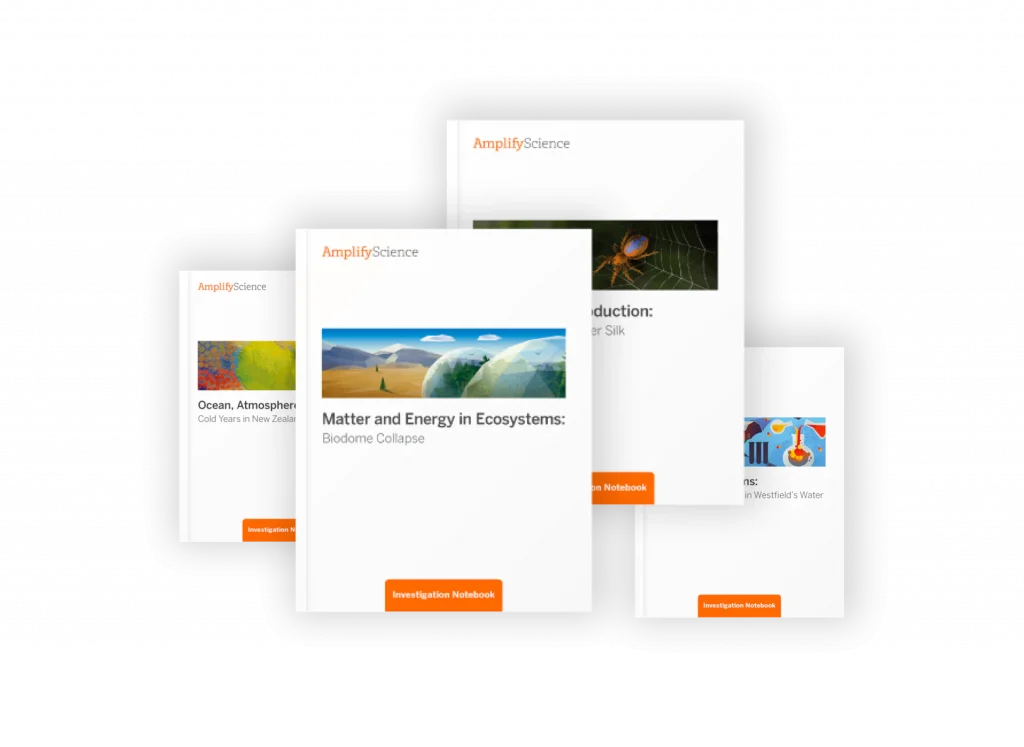
Student Investigation Notebooks Available for every unit, the Student Investigation Notebooks provide space for students to:
Record data
Reflect on ideas from texts and investigations
Construct explanations and arguments
Available with full-color article compilations for middle school units.
Digital student experience Students access the digital simulations and modeling tools, as well as lesson activities and assessments, through the digital student experience. Students can interact with the digital student experience as they:
Conduct hands-on investigations
Engage in active reading and writing activities
Participate in discussions
Record observations
Craft end-of-unit scientific arguments
Teacher’s Guides Available digitally and in print, the Teacher’s Guides contain all of the information teachers need to facilitate classroom instruction, including:
Classroom Slides
Detailed lesson plans
Unit and chapter overview documentation
Differentiation strategies
Standards alignments
In-context professional development
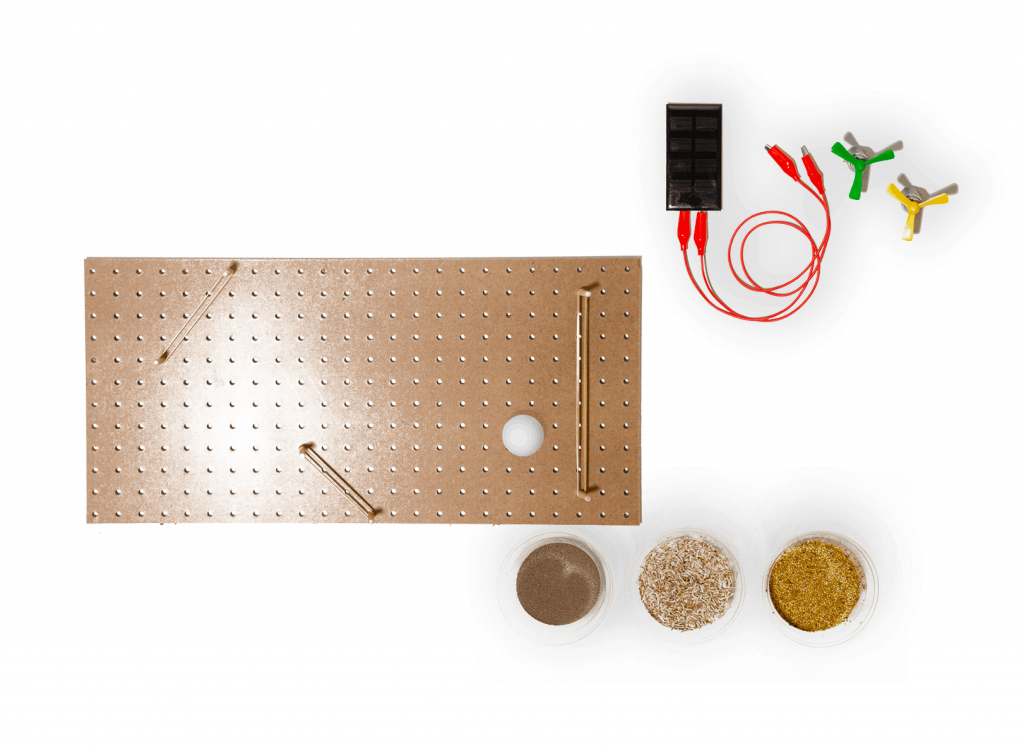
Hands-on materials kits Hands-on learning is at the heart of Amplify Science. Each unit kit contains:
Consumable and non-consumable hands-on materials
Print classroom display materials
Premium print materials for student use (sorting cards, maps, etc.)
Remote and hybrid learning supports
Amplify has launched a new remote learning solution called Amplify Science@Home. Intended to make extended remote learning and hybrid learning easier, Amplify Science@Home includes two useful options for continuing instruction: @Home Videos and @Home Units.
Amplify Science @Home Videos are recordings of real Amplify Science teachers teaching the lessons. For those teachers who are unable to meet synchronously with their students, the recorded lessons are a great way to keep their students on track and engaged with Amplify Science while at home. These videos will be produced for all K–5 units, and for the first four units of each 6–8 grade level. Their release will be rolling, beginning in August.
Amplify Science@Home Units are modified versions of Amplify Science units, strategically designed to highlight key activities from the program. The @Home Units take significantly less instructional time than the complete Amplify Science program and allow students to engage with science at home. @Home Units will be developed for all Amplify Science K–8 units. Each @Home unit includes:
Teacher overviews explaining how to use the materials, including suggestions for enhancing the @Home Units if synchronous learning or in-class time with students is available.
Overviews to send home to families.
Student materials are available in two formats:
@Home Slides (PDF/PPT) + Student Sheets (PDF) for students with access to technology at home.
Downloadable @Home Packets (PDF) for students without access to technology at home.
Amplify provides a unique kind of support you won’t find from other publishers. We have developed an educational support team of former teachers and administrators who provide pedagogical support for every Amplify curriculum, assessment, and intervention program. This service is completely free for all educators who are using our programs and includes:
Guidance for developing lesson plans and intervention plans
Information on where to locate standards and other planning materials
Recommendations and tips for day-to-day teaching with Amplify programs
Support with administering and interpreting assessment data and more
To reach our pedagogical team, use our live chat within your program, call (800) 823-1969, or email edsupport@amplify.com
Timely technical and program support
Our technical and program support is included and available from 7 a.m. to 7 p.m. ET, Monday through Friday, through a variety of channels, including a live chat program that enables teachers to get immediate help in the middle of the school day.
Desmos Math 6–8 and Algebra 1 is based on the highly rated IM K–12™ curricula from Illustrative Mathematics. What’s more, our 6–8 curriculum also received a perfect, all-green rating by EdReports.
Desmos Math 6–A1 delivers the instructional power of student-centered learning packaged in a lesson format that is teacher-friendly and manageable.
With easy-to-follow instructional supports, implementing a problem-based program becomes more effective and enjoyable for both you and your students. Delivered through the Desmos Classroom digital experience, math class becomes fun and dynamic, with plenty of opportunities for students to talk through their reasoning, work with their peers, and gain new understandings.
Desmos Classroom technology
Math lessons should be powerful in their ability to surface student thinking and spark interesting and productive discussions. The Desmos Classroom platform brings this vision to life. It even includes a complete library of interactive, collaborative lessons made by your math colleagues.
Engaging student experience
Relevant content and interactive math tools create an intuitive and engaging student experience. Plus, working together in real-time allows students to see that communicating their ideas and learning from each other are important parts of math class.
Visibility into student thinking
Imagine having more visibility into your students’ mathematical thinking. Now imagine students have access to this same information. With our collaborative lesson interface and teacher dashboard, students can’t hide. What’s more, they have visibility into the thinking of their peers—exposing them to a wider variety of approaches to solving the same problem.
Ready-to-teach lessons
Each grade-level includes 150 ready-to-teach lessons complete with slides, step-by-step teaching notes, suggested student and teacher responses, tips for incorporating instructional routines, support for developing mathematical language, and links to useful resources. Teachers can also control what slides students see, giving teachers the ability to control the pace of the lesson to suite the needs of the class.
A Lesson with Dr. Dan Meyer
Desmos Math has been extensively tested by math educators across the nation…including Dr. Dan Meyer.
In this 8-minute video, Dr. Dan Meyer puts a Desmos Math lessons to the test, and shares how the Desmos Math teacher tools empower all teacher to deliver engaging and interactive lessons.
Access demo
Ready to explore the program? Follow these instructions to access your demo account.
Click the Access demo button.
Click the Sign In link.
Enter the email address and password provided by your Account Executive.
Looking to speak directly with your local Account Executive? Get in touch with a California team member to learn more about Desmos Math or to request a demo account.